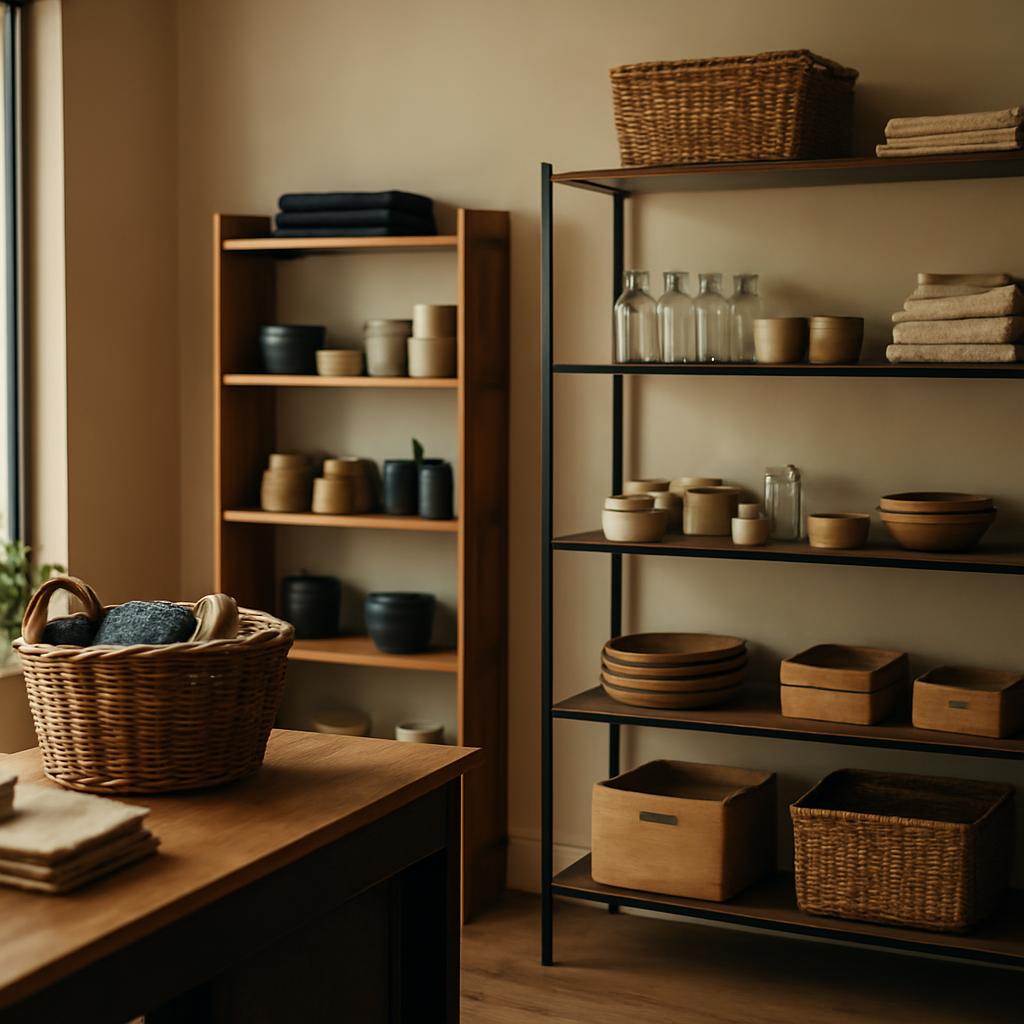
What Collingwood Shops Do Better With Storage
Find Out More →If you've ever watched a local shop on the high street rotate stock seasonally, or noticed how a tradesperson keeps their van lean and their storage tidy, you're looking at a storage strategy that most homeowners never develop. Collingwood businesses don't treat self storage as a last resort for stuff they don't know what to do with. They treat it as part of how they operate. And there's a real difference—one that'll change how you think about your own spare room, loft, or overflowing shed.
How do local businesses actually use Self Storage?
Most Collingwood businesses use self storage for one of three reasons: they rotate inventory, they need space between premises, or they're protecting stock that matters to their bottom line. A shop dealing in seasonal goods doesn't cram summer stock into their shopfloor in January. A tradesperson doesn't haul equipment home every night. They rent a unit, keep things organised, and access what they need when they need it.
The key difference is intentionality. When a business rents a unit at Self Storage Collingwood, they know exactly what's going in, they label it, they track it, and they have a system. There's no 'just in case' pile. There's no "I'll sort this later." Every square foot has a purpose because they're paying for it and it directly affects their efficiency.
That mindset—treating storage as a working tool rather than a dumping ground—is worth more than the monthly fee itself.
Why does organisation actually matter?
When you're paying for storage space, disorganisation becomes visible. You can't afford dead weight. Businesses that use self storage in Collingwood quickly learn to be ruthless about what stays and what goes. If something hasn't been accessed in three months and it's not part of an obvious seasonal rotation, it gets moved on.
Homeowners often rent a unit and then... forget what's in it. You've probably heard of someone who rented storage, paid for it for years, and eventually opened the door to find things they'd completely forgotten about. Businesses don't do that because their stock is their investment. Read more here about how they approach what actually goes into storage.
The lesson: before you rent a unit, be clear about what's going in and why. Give yourself a timeline. If you're storing something seasonal, mark it. If you're storing something temporary, set a date to revisit it. Treat your personal storage like a business treats theirs.
How does access frequency change the picture?
Most homeowners think about storage as "out of the way." Put it in a unit, lock it up, don't think about it. Businesses think about access. How often will they need this? Do they need it weekly, monthly, or just during peak season? The answer changes where they store it, how they arrange it, and which unit they book.
If you're storing items you access frequently, the cost-per-visit matters. A unit far out of town might be cheaper monthly, but if you're driving there twice a week, you're burning time and fuel. As we covered, local businesses factor in the practical side of storage, not just the rental cost. They choose units based on their actual usage pattern, not just what's cheapest.
Before you commit to a unit, be honest about how often you'll need to visit. If it's genuinely occasional—once or twice a year—then distance might be less of a factor. If you're accessing it monthly, proximity and ease of access are worth paying a bit more for.
What can you actually borrow from this approach?
The three habits businesses develop when they use self storage—intention, organisation, and access planning—transfer directly to household storage.
First: decide before you pack. Don't use storage as a bin for indecision. Ask yourself why each item is going in. Is it seasonal? Temporary? Being held for a future project? If you can't answer that, it doesn't go.
Second: label and list. Businesses keep records of what's in storage and where. It doesn't need to be elaborate—even a simple spreadsheet or phone notes will do. Take photos of the unit before you lock it up. You'll thank yourself when you need to find something three months later and can't remember which box it's in.
Third: plan your access. If you're storing things you'll use regularly, make sure the unit is somewhere you can actually reach conveniently. If it's a genuine "store and forget" situation—like off-season holiday decorations or a spare set of furniture—then distance is less critical. This article explains more about how to match unit choice to actual need.
The businesses in Collingwood that use self storage successfully aren't doing anything miraculous. They're just being deliberate about it. They're not renting space to avoid dealing with their stuff—they're renting space to make their operation run better. That's a meaningful difference, and it's one you can adopt for yourself.
If you're thinking about renting a unit, start with those three questions: What exactly is going in? How often will I need to access it? And is this storage solving a real problem, or am I avoiding a decision? Once you've answered those honestly, Self Storage Collingwood can help you find the right space for your actual needs. Get in touch and let's work out what'll actually work for you.
Looking for Self Storage near Collingwood?
We have secure, flexible units available in the area. Get in touch with Self Storage Collingwood today.
Find Out More →