What Collingwood Shops Do With Storage
Find Out More →Walk past any established business in Collingwood—a florist managing seasonal stock, a builder holding materials between jobs, a salon with back-stock—and you'll notice something. They're not scrambling to fit things in. They're not renting a unit and stuffing it randomly. They've got a system. And most homeowners don't think about self storage the way these businesses do. The difference isn't complicated, but it's worth learning from.
How do local businesses actually use storage?
Collingwood businesses treat self storage like a working tool, not an overflow bin. A café might rent a unit for a few months to stock seasonal supplies before the busy period. A contractor uses it to store equipment between jobs so the van stays lighter and site-ready. A retailer cycles stock—moving seasonal lines in and out rather than cramming everything into the shop at once.
The key difference: they plan for it. They know roughly what goes in, how long it'll stay, and what they'll pull out. It's intentional. Most homeowners, by contrast, rent a unit and treat it like a black hole—whatever doesn't fit at home goes in, and it sits there for months or years without a second thought.
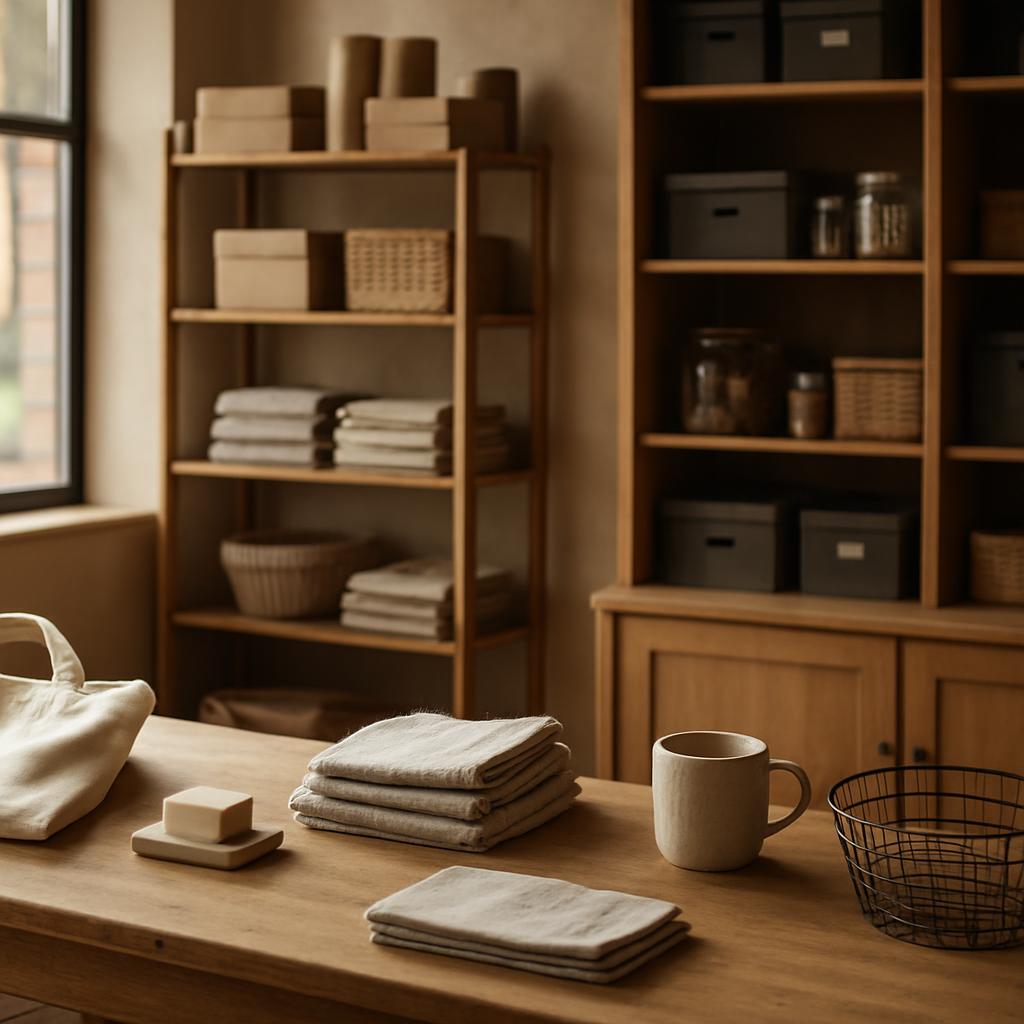
Business owners also tend to organise their storage properly. Shelving, labelling, a basic inventory. Not military precision, but enough that they can find something without unpacking half the unit. That's not because businesses are naturally tidier—it's because they're paying for the space and they want to use it efficiently. The cost hits the bottom line, so there's actual motivation to make it work.
What can homeowners learn from that approach?
The most useful thing: treat self storage as temporary with a purpose, not permanent overflow. Before you rent a unit, know what's going in and why. Is it seasonal decorations? Tools you use twice a year? Items you're keeping while you downsize? Boxes you haven't unpacked after a move? That clarity changes how you use the space.
Once you've got a unit, spend an hour setting it up properly. Grab some cheap shelving. A roll of labels and a pen. Take a photo of what's in there on your phone. It sounds fussy, but people who do this actually use what they store. People who don't? They pay rent on a unit they forget exists. Read more about getting real value from storage here.
Another thing businesses get right: they review what they're storing regularly. A shop owner doesn't keep paying for a unit if the stock inside isn't moving. Homeowners should do the same. Every few months, ask yourself: do I still need this stuff? Is it worth the rent? Could I sell it, donate it, or use it instead of storing it? That shift in mindset—from 'I'll just keep it' to 'is this worth paying for'—changes your behaviour fast.
How does pricing fit into that decision?
Businesses know exactly what their storage costs because it's itemised, tracked, and part of their operational budget. Homeowners often don't. They book a unit, start paying monthly, and the cost becomes invisible. If you're renting at £50 or £100 a month, that's £600 to £1,200 a year. Over five years, you've paid £3,000 to £6,000 for the privilege of keeping things you might not even use. Understanding what you're actually paying for matters.
The point isn't to scare you off storage—it's useful when you need it. But it works better when you're deliberate about it. Businesses factor storage into their plans because they have to. Homeowners should do the same. Work out a timeline. Know what it'll cost. Decide if keeping those items is worth that spend, or if it's time to let them go.
When does self storage actually make sense?
For homeowners, it makes the most sense in specific situations: managing a house move, storing seasonal items that don't fit year-round, keeping tools or hobby equipment, or downsizing gradually without rush. Businesses use it when they're growing, when they've got seasonal fluctuations, or when their space is expensive and every square foot counts.
The common thread is practical need. Not 'maybe I'll use this someday' or 'I can't bear to throw it away.' Actual, foreseeable need. When storage makes sense—and when it doesn't is worth thinking through before you commit to a unit.
Self Storage Collingwood works well for people who approach it the way local businesses do: with a purpose, a timeline, and enough organisation to make the space earn its keep. If you've got a clear reason to rent, you know what's going in, and you're willing to keep it tidy and check in on it regularly, then a unit is genuinely helpful. If you're just hoping it'll solve a clutter problem? That rarely works.
If you're ready to rent smart, get in touch with Self Storage Collingwood. We can help you work out what size you need and how long you're likely to use it—so you pay for what makes sense, not just what feels safe.
Looking for Self Storage near Collingwood?
We have secure, flexible units available in the area. Get in touch with Self Storage Collingwood today.
Find Out More →