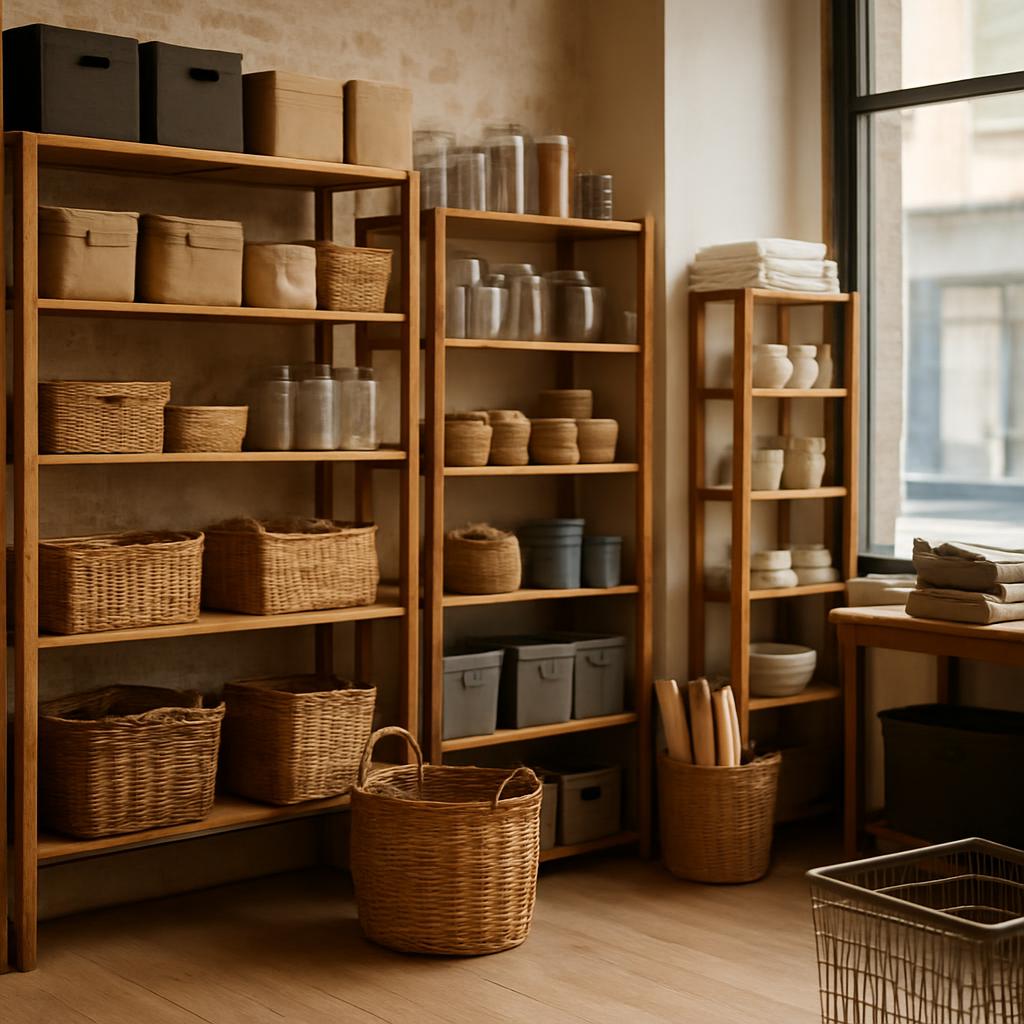
What Collingwood Shops Know About Storage That You Don't
Find Out More →Walk past any busy shop in Collingwood on a Saturday and you'll notice something: the stockroom is packed, the till's ringing, and there's nowhere left to put anything. Yet somehow, these businesses aren't drowning in clutter. They've figured out how to use self storage in a way that actually saves them money and headaches. The thing is, homeowners can do exactly the same thing—and most don't.
The difference isn't rocket science. It's about intention. Businesses can't afford to waste money on storage they don't need, so they get strategic about what goes in, how long it stays, and when it comes back out. Homeowners often treat self storage like a black hole—rent a unit, throw things in, forget about it. That's not what works. Here's what local Collingwood businesses are doing differently, and what you can borrow from them.
Do you actually know what you're storing?
Most businesses keep a list. Seriously. They know exactly what's in their unit, where it is, and why it's there. A lot of homeowners just... don't. You rent a unit, load it up with boxes marked 'miscellaneous' or 'stuff from loft,' and then months later you're paying for space you can't even remember filling.
The difference comes down to accountability. When a business needs something, they go get it. When they don't need it anymore, they take it out. There's no vagueness. Start treating your self storage unit the same way. Before you rent, make an inventory. Photograph what's going in. Label boxes clearly—not 'kitchen things' but 'spare dinner set, four wine glasses, serving bowls.' When you actually know what you're paying for, you use it better. You're also less likely to rent a unit bigger than you need, which is where the real money gets wasted.
Read more here on how Collingwood shops manage their storage inventory.
Are you renting the right size for what you actually need?
This is where businesses pull ahead of homeowners fastest. They calculate the space they need, sometimes pad it by 10 per cent for seasonal spikes, and that's what they rent. They don't rent a massive unit 'just in case' because that 'just in case' costs money every single month.
Homeowners tend to overestimate. You've got a three-bed house, you're having a declutter, and suddenly you think you need a 'big' unit to be safe. Then you pack it half-full and wonder why the bill's so high. Be honest about your needs. Most household storage jobs—furniture from a bedroom, boxes of seasonal decorations, some sports equipment—fit into a smaller unit than you'd think. If you're storing Christmas decorations, garden furniture, and a spare bed, you don't need a commercial-sized unit. Businesses know this because they're paying for every square foot. You should think the same way.
Our guide on how to think about storage sizing explains this in more detail.
How do you plan for what's temporary and what's not?
Here's something Collingwood businesses do that homeowners miss: they have an exit plan. Stock comes in for the season, sits for a few months, then goes out. They know when. They book the space knowing it's temporary. They don't accidentally let something sit for two years and pay for 24 months of storage on a 3-month need.
Think about why you actually need self storage. Is it because you're moving house and need a few weeks of breathing room? Is it because you're renovating and need somewhere to put furniture temporarily? Is it because you've got Christmas decorations that need a home for nine months of the year? The reason matters. If it's temporary, set a date. Mark it in your calendar. Make arrangements to move it out. If you're storing 'just in case' or because you're not sure what to do with something—that's not storage, that's procrastination, and it gets expensive.
Seasonal storage is legitimate. Long-term 'I might need this someday' storage isn't. Be clear about which category your stuff falls into before you sign any paperwork.
What can you actually do differently starting now?
The practical takeaway: treat self storage like a business would. Make an inventory before you store anything. Be ruthless about the size you actually need—not the size that feels safe. Know why each item is going in, and know when it's coming out. That clarity saves hundreds of pounds a year.
If you're thinking about self storage in Collingwood, this guide walks through the practical steps that actually work. But the key bit? Don't rent space and hope you'll sort it out later. That's how people end up paying for storage units they've forgotten about.
When you're ready to sort this properly, Self Storage Collingwood can help you find the right unit for what you actually need—not what you think you might need. Get in touch and let's figure out what makes sense for your situation.
Looking for Self Storage near Collingwood?
We have secure, flexible units available in the area. Get in touch with Self Storage Collingwood today.
Find Out More →